blogs

  • Eco-Friendly Fibres in Paper Making: Alternatives to Wood Pulp

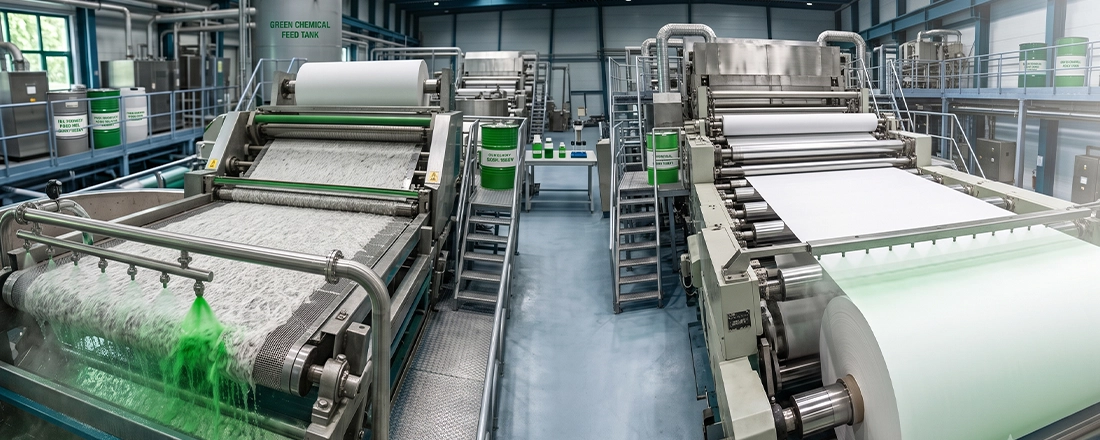
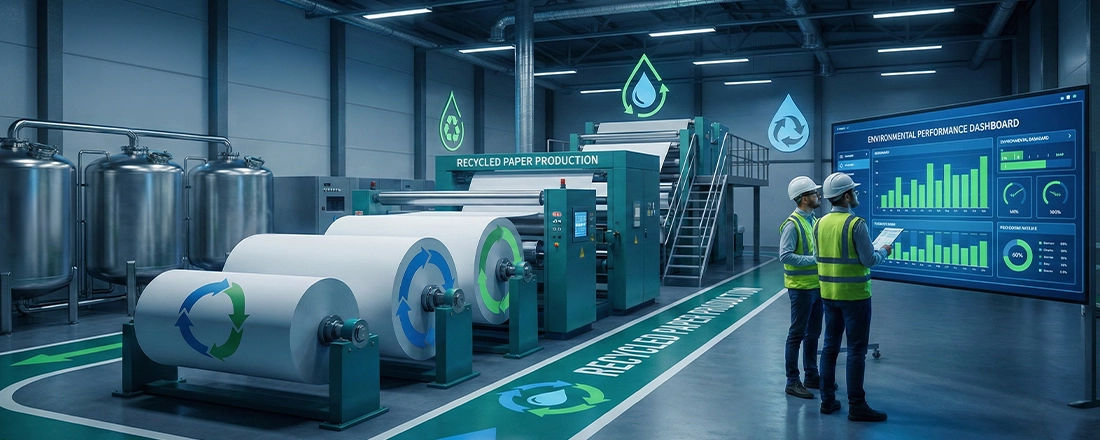
    Paper has always been associated with trees. But as sustainability becomes a bigger priority across industries, the paper sector is beginning to look beyond traditional wood sources and towards more resource-efficient alternatives — including a growing range of eco-friendly paper fibres.  Today, eco-friendly paper fibres are no longer niche experiments. Agricultural residues, recycled materials, and non-wood pulp…

  • Eco-Friendly Fibres in Paper Making: Alternatives to Wood Pulp

    Paper has always been associated with trees. But as sustainability becomes a bigger priority across industries, the paper sector is beginning to look beyond traditional wood sources and towards more resource-efficient alternatives — including a growing range of eco-friendly paper fibres.  Today, eco-friendly paper fibres are no longer niche experiments. Agricultural residues, recycled materials, and non-wood pulp…

  • Eco-Friendly Fibres in Paper Making: Alternatives to Wood Pulp

    Paper has always been associated with trees. But as sustainability becomes a bigger priority across industries, the paper sector is beginning to look beyond traditional wood sources and towards more resource-efficient alternatives — including a growing range of eco-friendly paper fibres.  Today, eco-friendly paper fibres are no longer niche experiments. Agricultural residues, recycled materials, and non-wood pulp…

  • How Wood Fibres Become Paper: A Simple Explanation

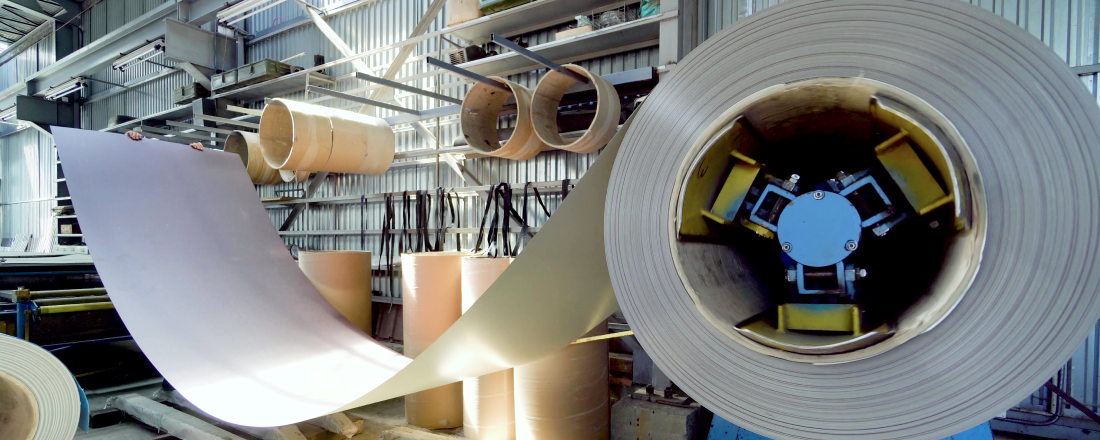
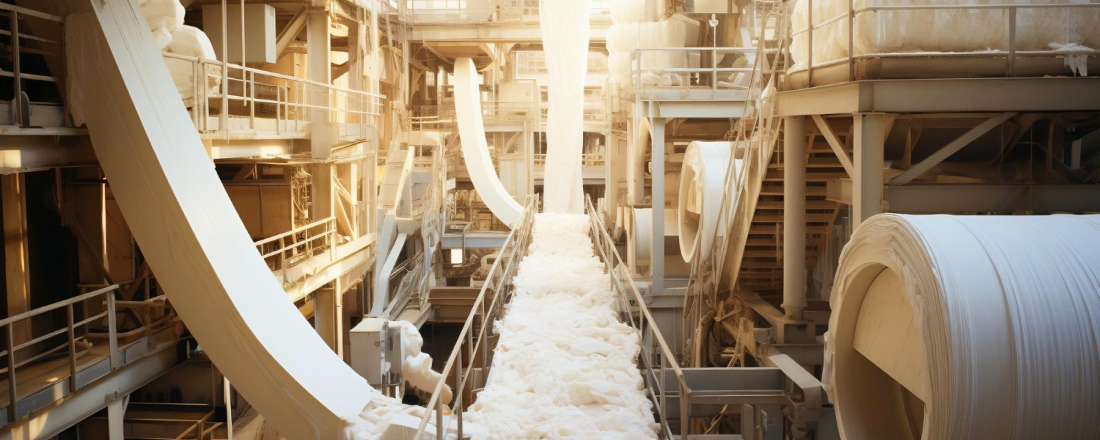
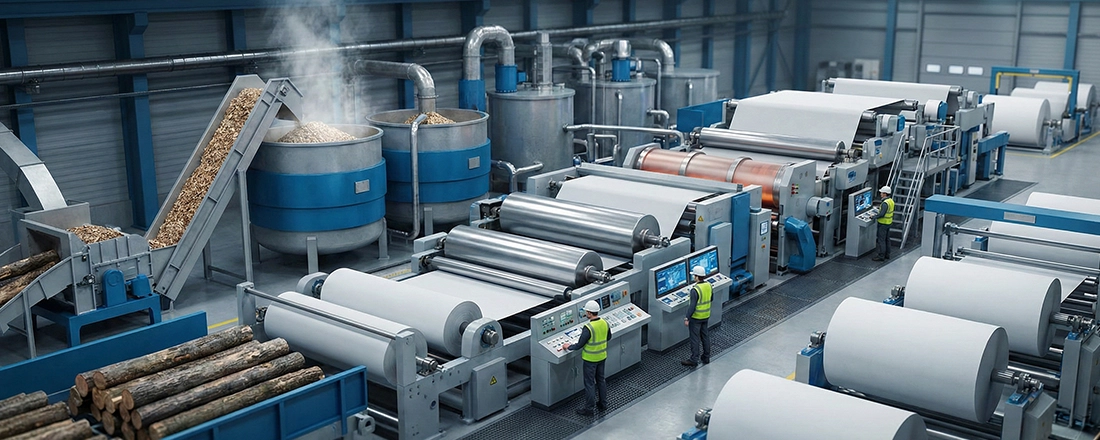
    Every notebook, paper bag, shipping box, or coffee cup starts in a place most people never think about — inside a tree. But how paper is made from wood is far more interesting than simply “cutting trees and flattening them.” The wood pulp papermaking process is actually a carefully controlled series of steps that combines…

  • The Role of Retention and Drainage Chemicals in Modern Paper Manufacturing

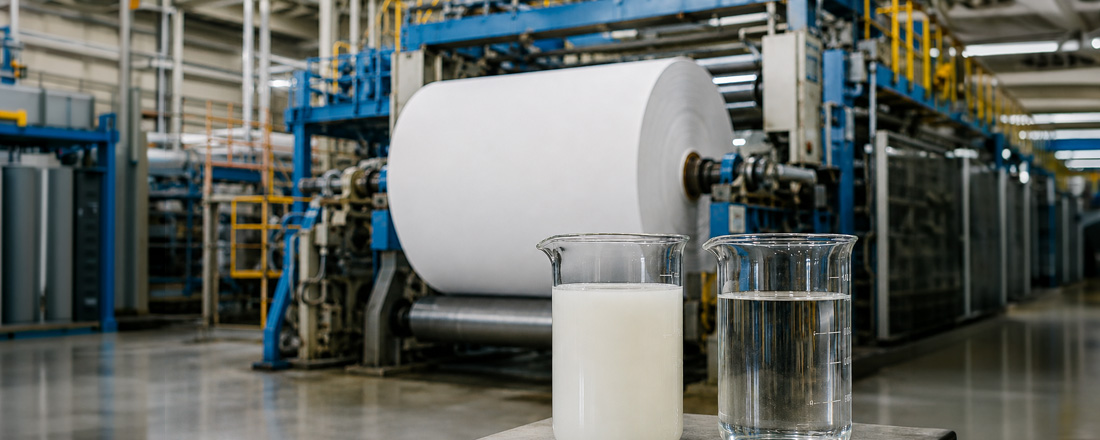
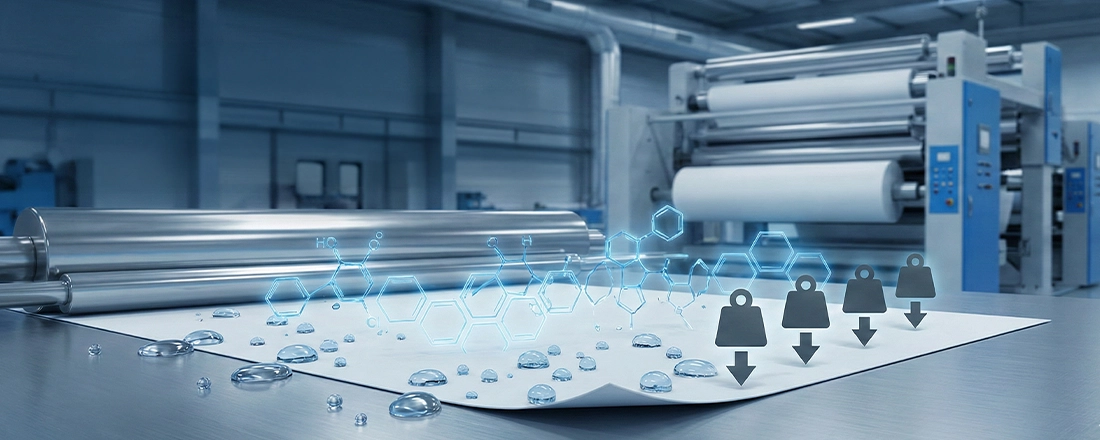
    Introduction: Where Paper Efficiency Really Begins A modern paper machine operates at remarkable speed. Within seconds, a watery fibre mixture becomes a continuous sheet of paper. The invisible yet crucial wet-end chemistry enables this rapid transformation.  At the initial stage of papermaking, the pulp slurry primarily consists of water. The process challenge is to maximise retention of functional fibres and mineral…

paper chemicals