Billions of packages are on the move around the world daily, from food found on shelves to electronics waiting at your door. Behind these very mundane products lies an exciting world of industrial machinery that turns simple pulp into solid, sturdy paperboard. For a manufacturer or engineer, the right selection of a paperboard-making machine is critical for quality, production efficiency, and the performance of the final product. From shipping cartons to premium packaging, understanding the specific roles major machines play (the corrugated board machine, laminators, and other board equipment) will give you a very distinct advantage.
Corrugated Board Machines: The Backbone of Packaging
One of the most important types of equipment in paperboard production is the corrugated board machine, more commonly called a corrugator. This machine builds the strong, fluted structure that gives corrugated board its well-known strength-to-weight performance.
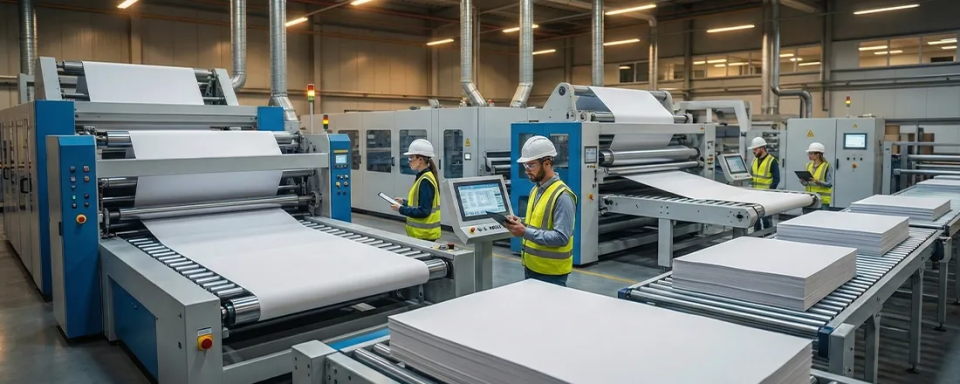
A corrugated board machine for paper is not a single device but an entire production line comprising multiple units that work continuously. At its core, the machine forms several sheets of paper into layered board structures, typically three-ply (liner-flute-liner), five-ply, or even seven-ply, depending on the required strength.
Here’s how it works at a high level:
- Flute Formation: Paper from reels is heated and fed through grooved rollers that shape it into a wavy, flute structure.
- Gluing and Bonding: The fluted medium is glued between one or two flat liners using starch adhesive to form strong multilayered boards.
- Finishing Sections: After forming, the board passes through a slitter/scorer, cutter, and stacker to be cut to length and prepared for further processing, such as box making.
Corrugated board is the backbone of the packaging industry, used for everything from e-commerce boxes to heavy-duty industrial packaging. Its layered structure provides excellent compression strength and durability while remaining lightweight and recyclable.
Paper Board Making Machines: Building the Base
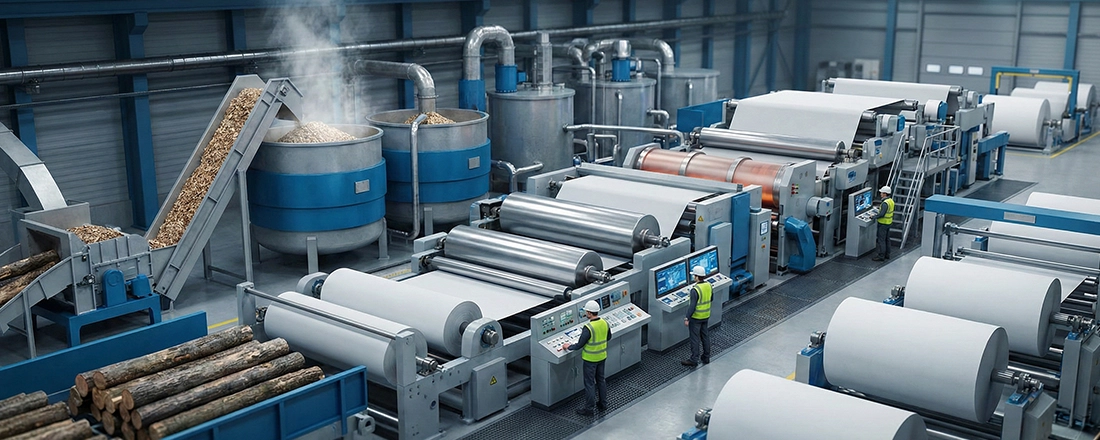
Before corrugated products are formed, the baseboard or substrate must be produced on a paperboard machine. These machines resemble conventional paper machines, yet they are tuned for heavier weights, thicker sheets, and specialised board grades. A board machine processes pulp, whether from wood or recycled sources, into a continuous web on a moving fabric, then presses and dries it into thick paperboard.
Key steps include:
- Forming: The pulp is evenly spread across the forming section to produce a sheet of the desired thickness.
- Pressing and Drying: Mechanical presses and heated cylinders remove water, increasing the board’s density and rigidity.
- Surface Treatment: Most board machines have calibration, coating, or calendering steps to enhance surface smoothness.
Laminators and Coating Machines
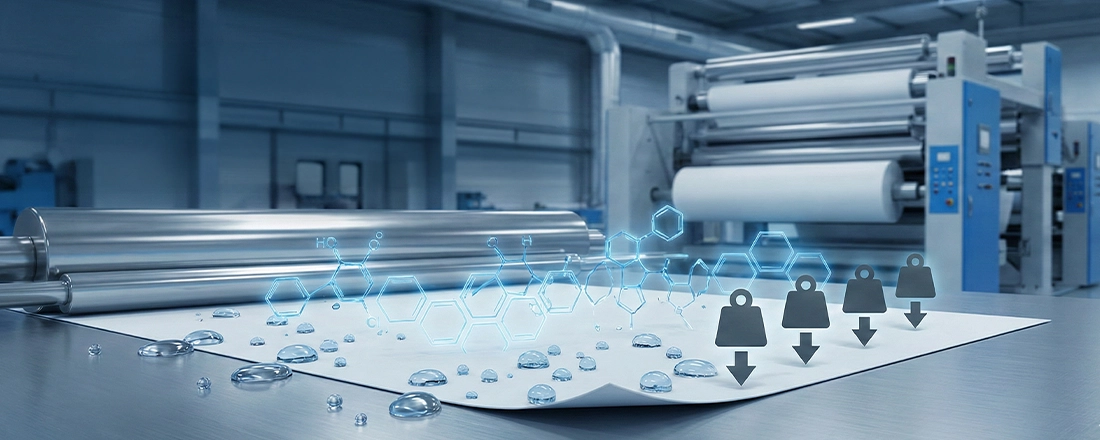
Once a baseboard is made, additional processes can elevate its functionality and appearance. Lamination and coating machines can bind multiple layers or add surface finishes to enhance a board. Lamination would involve adding another board layer, a plastic film, or a decorative sheet to the base material to increase moisture resistance, stiffness, or visual appeal.
In high-volume industrial environments, laminators run continuously, using rollers, adhesives, and controlled heat to produce stable laminated products. Coating machines smooth and refine surfaces to enhance print quality or barrier properties. This is particularly important in consumer packaging, where appearance and performance are crucial.
Choosing the Right Machinery for Your Needs
Your product goals, the extent of your production, and the intended use determine which equipment you require: a corrugated board machine, a board-forming line, or a laminator. A corrugator would be essential for heavy-duty shipping boards, whereas laminators and coating machines add much value for premium packaging. Board machines produce the foundational materials used across these processes.
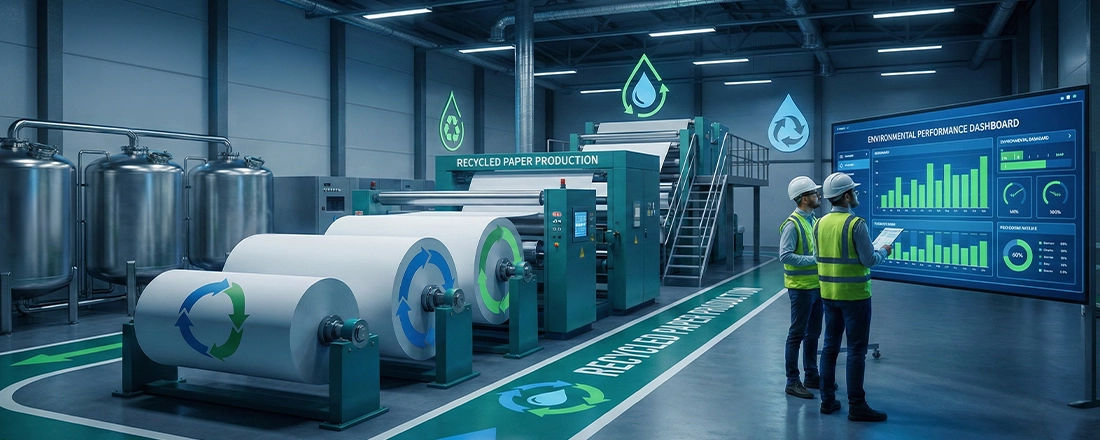
Machine choice affects not just product quality but operational costs, sustainability, and efficiency, which are crucial considerations as demand for recyclable, strong, and lightweight packaging grows.
Conclusion
Paperboard may start as paper, but its true strength arises from the correct machinery. Corrugators forge resilience, while board-making and laminating systems infuse structure and function. Each machine guides how paperboard performs in real-world use. Understanding these technologies allows manufacturers to create even smarter, stronger, and more reliable packaging for a market that’s continually evolving.